Source SMT PCBA Production Line for LED, PCB, and SMD
Explore 30 listings for the smt pcba production line designed for LED, PCB, and SMD assembly. Compare automated solutions with CE certification, flexible transmission, and overseas engineering support to find the right fit for your manufacturing needs; compare the available evidence and request quotations based on your requirements.
Key considerations
Products List


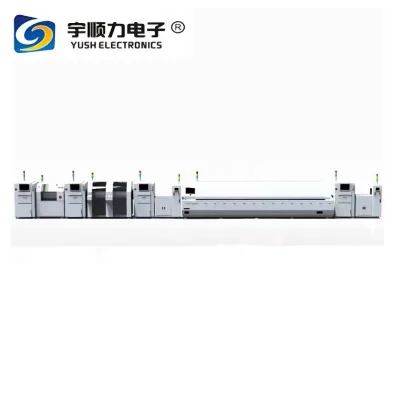


Panasonic Chip Mounter PCBA Machine Solution Production Supplier SMT Line
$100000.00 - $300000.00
Moq: 1

Juki Chip Mounter PCB PCBA Machine Solution Supplier SMT Production Line
$100000.00 - $300000.00
Moq: 1

Fully Automatic SMT Production Line for High-Volume PCB and PCBA Assembly
$20000.00 - $80000.00
Moq: 1


Comprehensive Sourcing Guide
SMT PCBA Production Line Sourcing Guide
Buyers evaluating SMT PCBA production lines must first distinguish between full and semi-automated configurations to match their specific throughput requirements. The available market data indicates that these systems are designed for LED, SMD, and general PCB production, with some units offering flexible production capabilities for intelligent manufacturing environments. Understanding whether a line is intended for comprehensive assembly or specific parts production is critical before initiating any procurement process.
The physical footprint and power requirements of these lines vary significantly, with observed dimensions reaching up to 21,950mm in length and power consumption figures as high as 150kw. Prospective buyers should verify that their facility infrastructure can support the necessary voltage, such as 380V 50Hz 3-phase or AC220V/110V options, and ensure adequate space for the heavy machinery, which can weigh up to 4000kg.
Product Scope and Observed Listing Signals
The product scope for these lines typically covers the assembly of components ranging from 0402 to 5050, with some advanced models supporting minimum sizes as small as 01005. Listings often highlight the applicability for various component types including QFP, SOP, and BGA packages, indicating a versatile capacity for different board densities. Buyers should carefully review the specific component range listed for each unit to ensure it aligns with their current and future product mix.
Observations of the market reveal a wide range of customization options, including flexible transmission types and flow production line rhythms. While some units are described as automatic assembly lines, others may offer semi-auto options, requiring buyers to clarify the level of automation required for their operational efficiency. The packaging for these heavy systems is consistently noted as vacuum wooden cases or wooden boxes, which is essential for protecting the equipment during international transit.
Technical Specifications to Verify
Technical verification must begin with the transmission type and rhythm of the production line, as these factors directly influence the flow of materials and overall cycle time. The data suggests that flexible transmission systems are common, but buyers should confirm the specific rhythm and whether the line supports lean production or intelligent manufacturing protocols. Ensuring the mechanical specifications match the intended production speed is vital for maintaining consistent output quality.
Power supply and voltage compatibility are critical technical parameters that often vary between suppliers, with options ranging from 380V 50Hz 3-phase to standard AC220V or AC110V configurations. Buyers must verify that the specific model's power rating, which can reach 150kw, is compatible with their local electrical grid to prevent operational failures. Additionally, the physical dimensions and weight of the line must be confirmed to ensure the factory floor can accommodate the installation without structural modifications.
Compliance and Safety Documentation
Compliance documentation is a primary requirement for importing industrial machinery, with CE certification appearing frequently in the available product listings. Buyers should request valid CE certificates for each specific model to ensure the equipment meets European safety standards, which are often a prerequisite for international trade. It is also important to verify if additional certifications like ISO or UL are included, as these may be required for specific regional markets or customer audits.
Safety standards extend beyond basic certification to include the structural integrity and operational safety of the production line. Some listings mention certifications such as ABS, LR, or ISO, which indicate adherence to rigorous quality and safety management systems. Procurement teams must ensure that the supplier provides a complete set of safety manuals and compliance documents that cover the specific voltage and power configurations of the purchased unit.
Cost Drivers and Commercial Terms
The cost of an SMT PCBA production line is heavily influenced by the level of automation, the range of supported components, and the specific customization required. Prices in the observed market range widely, reflecting the difference between semi-automated setups and fully integrated intelligent manufacturing solutions. Buyers should expect that lines capable of handling smaller components like 01005 or offering flexible production modes will command a higher price point.
Commercial terms regarding the minimum order quantity (MOQ) and lead times are significant factors in the total cost of ownership. The observed MOQ range spans from 1 to 18,000 units, suggesting that some suppliers may offer flexible purchasing terms while others require bulk commitments. Additionally, the warranty period, typically listed as one year, and the availability of overseas engineering support for after-sales service should be negotiated as part of the final commercial agreement.
Supplier Qualification and Quality Control
Supplier qualification should focus on the manufacturer's ability to provide comprehensive after-sales service, particularly for overseas locations. The availability of engineers to service equipment abroad is a key differentiator, ensuring that technical issues can be resolved quickly to minimize production downtime. Buyers must verify the specific service agreements and response times offered by the supplier before finalizing the purchase.
Quality control processes are essential for ensuring the longevity and reliability of the production line. The standard warranty period of one year indicates a baseline expectation for product durability, but buyers should also inquire about the testing procedures used before shipment. Confirming that the equipment undergoes rigorous testing and is packed in protective wooden cases helps mitigate the risk of damage during transit and ensures the machine arrives in optimal working condition.
Long-Term Procurement Checks
Long-term procurement success depends on the supplier's commitment to customization and the adaptability of the production line to future needs. Since the product standard is often listed as customized, buyers should ensure that the line can be upgraded or modified as their component requirements evolve. This flexibility is crucial for maintaining competitiveness in a rapidly changing electronics manufacturing landscape.
Regular maintenance and the availability of spare parts are critical for the sustained operation of the production line. Buyers should establish a clear protocol for ordering replacement parts and scheduling preventive maintenance to avoid unexpected failures. The initial investment in a high-quality line with a robust warranty and service network will pay off over time by reducing downtime and ensuring consistent production quality.
FAQs
What is the typical weight of an SMT production line?
The typical weight of an SMT production line is 4000kg. This heavy-duty equipment requires a stable foundation for installation. The substantial mass ensures operational stability during high-speed component placement. Buyers should account for floor load capacity when planning the factory layout to support this significant equipment weight safely.
Can the SMT line handle small components like 01005?
Yes, the SMT line can handle components as small as 01005. It supports a wide range of sizes from 0402 to 5050. This flexibility allows manufacturers to produce diverse PCB assemblies efficiently. The system accommodates various package types including QFP, SOP, and BGA for comprehensive production needs.
What certifications are required for SMT assembly machines?
SMT assembly machines typically require CE certification for safety compliance. Some models also hold ISO, ABS, or LR certifications. These standards ensure the equipment meets international manufacturing and safety regulations. Buyers should verify specific certification requirements based on their local market regulations and operational safety standards.
Is customization available for LED production lines?
Customization is available for LED production lines to meet specific needs. The production standard is fully customized to match client requirements. This flexibility allows for tailored solutions in LED bulb assembly and general SMD processing. Buyers can specify unique configurations to optimize their particular manufacturing workflow and output goals.
What power supply is needed for the SMT line?
The SMT line typically requires 380V 50Hz 3-phase power. Some LED assembly machines operate on AC220V 50Hz or AC110V 60Hz. The total power consumption can reach up to 150kw. Buyers must ensure their facility has the appropriate electrical infrastructure to support these high-power industrial requirements safely.
How is the SMT equipment packed for shipping?
SMT equipment is packed in vacuum wooden cases or wooden boxes. This robust packaging protects the machinery during international transit. The vacuum sealing prevents moisture damage and physical impact. Buyers should ensure proper handling procedures are in place to receive the equipment safely without compromising the protective packaging integrity.